Live weather

Friday, August 30, 2019

Second ‘Rock Garden’ of India coming up at Ambapua in Berhampur city

Image may contain: text


The long cherished dream of the government to place Ganjam district in the world tourism map will come true with the state’s first ‘Rock Garden’ being built at Ambapua in Berhampur city.

The 9-acre plot identified for the purpose was enclosed with a compound wall about one and a half years back.

At a special sitting of the Berhampur Development Authority (BDA) it was decided to INVITE TENDERS for the rock garden by end of August, at an estimated cost of Rs 8.5 crore.

At the special sitting held at the conference hall of the BDA under the supervision of the Vice-Chairman and Berhampur Municipal Corporation (BeMC) Commissioner, Chakravarti Singh Rathore, emphasis was laid on taking forward the first ever rock garden project.

Monday, July 22, 2019

TATA SUPER-SPECIALITY HOSPITAL BRAHMAPUR AWAITS OPENING

ଉଦଘାଟନ ଅପେକ୍ଷାରେ ଟାଟା ସୁପର ସ୍ପେସିଆଲିଟି ହସ୍ପିଟାଲ, ବ୍ରହ୍ମପୁର 
HIGHLIGHTS OF THIS HOSPITAL 
----------------------------------------------
The super-speciality hospital near Sitalapalli on the outskirts of Brahmapur city awaits commissioning even as the building work has been completed.

All super-specialty units including oncology (Cancer) and nephrology (Kidney) would be made available for the people.
Officials said, the construction of the hospital building has been completed and statutory approvals from fire department, Berhampur Development Authority and Centre for Orthopedic Trauma (CTO) for the hospital are expected shortly.
Commissioning of hospital will be done soon, said Rural Development Society head of Tata Steel Rocky Martin.
The completion of the hospital has come as a ray of hope for patients of South Odisha region who were dependent on private hospitals in neighbouring Andhra Pradesh and at Bhubaneswar due to absence of adequate doctors and specialized healthcare services in Brahmapur city.
The 500-bedded hospital has been set up by Tata Steel in partnership with Medica Hospitals.
The hospital was proposed to cater to 250 patients initially and have advanced diagnostic and surgery facilities along with emergency services.

Wednesday, July 10, 2019

MUCH WAITED BRAHMAPUR – SAMBALPUR (Via KANDHAMAL & BOUDH) RAIL-LINE CONSTRUCTION PROCESS STARTED

ବ୍ରହ୍ମପୁର ଠାରୁ ସମ୍ବଲପୁର ଭାୟା କନ୍ଧମାଳ ଓ ବୌଦ୍ଧ ରେଳ ଲାଇନ ନିର୍ମାଣ ର ପ୍ରକ୍ରିୟା ଆରମ୍ଭ 
କେନ୍ଦ୍ର ସରକାର ଠୁ ମିଳି ସାରିଥିଲା ଅନୁମତି I ପିପିପି ମାଧ୍ୟମରେ ଆରମ୍ଭ ହେବ କାମ I

MUCH WAITED BRAHMAPUR – SAMBALPUR (Via KANDHAMAL & BOUDH) RAIL-LINE CONSTRUCTION PROCESS STARTED

EXPRESSION OF INTEREST (EOI) FOR STAKEHOLDERS & INVESTORS FOR EQUITY PARTICIPATION FOR THIS RAIL LINE PROJECT INVITED


PIL filed for extension of Rajdhani, Sampark Kranti Express from Bhubaneswar to Brahmapur and Lokamanya Tilak from Visakhapatnam to Brahmapur

A PIL filed in the Odisha High Court, seeking a direction to the authorities for extension of routes of some express trains up to Brahmapur Station from Bhubaneswar, stoppage of some long route express trains at Brahmapur and running of some new trains from Brahmapur.
The Bharatiya Vikash Parishad represented by its State president Surendra Kumar Panigrahi filed Parishad requested for extension of the Rajdhani Express and the Sampark Kranti Express from Bhubaneswar to Brahmapur and extension of the Lokamanya Tilak Express from Visakhapatnam to Brahmapur; stoppage of Howarah-Pondichery Weekly Express (HWH-PDY) train at Brahmapur and introduction of a new daily fast passenger train exclusively from Brahmapur to Puri and the vice- versa.
Similarly, the petitioner also prayed for introduction of a new train between Brahmapur and Surat, for more than five lakh Odias from Ganjam alone are living in Surat and 90 per cent of the passengers of the Puri-Ahmedabad Express train board at the Brahmapur station but many didn't get seat for huge rush.
Similarly, lakhs of Odia labourers from Ganjam are working in Mumbai and except the Konark Express which is unable to meet the rush, there is no second train between Brahmapur and Mumbai, the petitioner added.
Justifying the extension of two super-fast express trains, namely, the Rajadhani Express and the Sampark Kranti Express from Bhubaneswar to Brahmapur, the petitioner cited that the extension of the trains should be considered in the same spirit like, the Chatishgarah Rajadhani Express running from Bilaspur to New Delhi via Raipur and so also, the Chatishgarah Samaprka Kranti Express which is running from Durg to New Delhi via Raipur.
The Secretary to Government, Ministry of Railways, Chairman of Railway Bhavan, Commissioner-cum-Secretary, Department of Transport, Government of Odisha, General Manager of East Coast Railway, Bhubaneswar and Divisional Manager, Khurda Railway Station were made opposite parties by the petitioner. 

Saturday, July 6, 2019

First-ever Milk Vending Machine of ODISHA opened in BRAHMAPUR

The first-ever pasteurized and vitamin-added milk vending machine of ODISHA was opened near Gate Bazar in BRAHMAPUR on the occasion of Rath Yatra.
Such vending machines would be set up at nine different places of the Silk City. Next Milk ATMs will be opened at different hospitals (like MKCG Medical College and Hospital and City Hospital) and other public places.
Apart from becoming an easy and accessible source of nutrition for everyone, the milk ATMs would help us get rid of huge usage of plastics in packaging and storage of milk products.
Ganjam district Collector Vijay Amruta Kulange and local MLA Bikram Kumar Panda inaugurated the ATM on the premises of Greater Ganjam Gajapati Co-operative Milk Producers’ Union’s Office.

👉👉👉👉👉PEOPLE RESIDING NEAR GATE BAZAR, BRAHMAPUR CAN TAKE THE BENEFIT OF THE ATM 24X7.


Visit @FutureBrahmapur page for more news about Brahmapur 

-04 July, 2019

Friday, July 5, 2019

Lawyers on cease-work stir to press for permanent High Court bench in Berhampur

Ganjam district lawyers association on  June 27th, 2019 started a four day long cease-work protest demanding establishment of a permanent bench of Orissa High Court in Berhampur.
The lawyers assembled in front of the bar association office and reiterated their demand for permanent bench of Orissa High Court in Berhampur.

The association has long been demanding for a permanent bench here and has taken to several mediums of protest in the past as well. They have been observing cease work protest during last four days of every month to highlight their demand. The strike launched Thursday would continue till June 30, said a lawyer.
It may be noted here that the government had formed Pal commission to look into the issue of a permanent bench in this town earlier. Even though the Commission has already submitted its report, the government is doing little to act on it, the association alleged, adding that the delay in establishing the bench is willful.
The association urged Berhampur MLA Bikram Kumar Panda and MP Chandra Sekhar Sahu to raise the issue in the Assembly and Parliament for the greater interest of the people of south Odisha.

Aska By Charudutta Panigrahi


Asika sugar factory is Asia’s first, established in 1824 and driven by one Fredrick Josheph Vivian Minchin (popularly known as Minchin Saheb even today). Asika town is often referred to as the Sugar City.

One of the most prosperous and progressive towns in Odisha, it has a deep running colonial connect, being close to Berhampur, an important hub for Britishers, as a part of the Madras Presidency. Aska now boasts of sizeable population (
exceeding 1,000) of blackbucks, which are called as Bali-Harina or Krushna Sara Mruga (କୃଷ୍ଣ ସାର ମୃଗ) in Odia. But the recent Titli cyclone has wrecked the vegetation, the crops and the forest life in and around Aska.

Asika is a Vidhan Sabha seat (Assembly constituency) and Aska is a Lok Sabha constituency since 1977. The Assembly constituency includes Asika, Asika block and 12 GPs (Subalaya, Kaniari, Barida, Paikajamuna, Sunapalli, Sialia, Nandiagada, Borasingi, Ambapua, Baliasara, Bolasara and Sunarijhola)of Kabisuryanagar block.

With slightly over 1,97,443 voters, youth constitute more than half, (below 35). Migration of youth to other states continues to be high, increasing the vulnerability of the population to HIV/AIDS. About three years ago Aska had about 470 AIDS patients, a disturbing figure. The engagement of women in self-help groups (SHGs), loaning and repayments (NPAs less than 13%) in Aska (constituency region) has been one of the best in India. Out of the total no. of SHGs , about half of the SHGs are active with loan outstanding as in 16-17 (average loan outstanding in the range of 60,000). Bootlegging and desi liquor business has spurred mafia in the area and regular gang killings and criminal activities are on the rise. Once known for their honesty, candour and hard work, the local youths are sucked into the criminal world.
Aska is the agri-powerhouse of Odisha. But in the last three years, agriculture production has slid down by about 17%. This year Titli has devasted the harvest of the entire block and NAC. Sugarcane, Cotton and maize production have shrunk.

People expect: (top five in the pecking order)

– Peaceful civil life: administration to clean the area of criminals

– Special focus on agricultural development – restoration of soil condition, availability of fertilisers, boosters and guidance in new methods. Land usage needs to be enhanced.

– Subsidy on farmer loans – to tide over the damages from Titli

– Employment – youth need local engagement. Migration is not the answer. Skilling program needs a review and more intensive mobilisations at the village levels.

– Development of local industry – agri-based industries supported by a vibrant SHG collaborative can provide sustainability to the household incomes Aska if tended properly, can contribute remarkably to the state GDP.

-October 21, 2018 / odishadiary.com

Tuesday, April 2, 2019

Maha Baruni Snana: Devotees took holy dip in Rushikulya at Aska and at Pratappur near Tara Tarini

After the holy dip, people also offer ‘Pinda Daan’

Devotees took a holy dip at the confluence of rivers Rushikulya and Badanadi near Aska and at the north turn of the river in Pratappur near Tara Tarini Shakti Peetha to observe Maha Baruni Snana.

Braving the scorching sun, people from across the State congregated at the place called the ‘Sangam’ of Odisha, about 5  km from Aska in Ganjam district and at the north turn of the river in Pratappur near Tara Tarini Shakti Peetha. The holy bath continued from dawn to dusk. After the holy dip, people also offer ‘pinda daan’.
The belief goes that a dip at the confluence on the occasion will free people of their sins, miseries and diseases. River Rushikulya, which originates from Rushimala Mountain in Kandhamal district and meets the Bay of Bengal near Ganjam town, is considered sacred.


Beautiful view of Maha Baruni Snana at Pratappur near Tara Tarini Shakti Peetha 

Similar crowd was witnessed at Kanjiama and Bahuda near Barahi in Ganjam district. Arrangements were made for holy bath in Mahendratanaya River near Kerandi, Baghasala, Kamadhenu and Machamera in Gajapati district also.

- 02/04/2019, Berhampur 


Wednesday, March 27, 2019

RARE IMAGE OF MAHA KALI BESHA OF ADI SHAKTI MAA TARA TARINI ON THE FIRST TUESDAY OF CHAITRA MONTH


LAKHS OF DEVOTEES FROM ACROSS THE COUNTRY TAKE BLESSINGS OF MAA TARA TARINI ON THE FIRST TUESDAY OF CHAITRA YATRA @SHAKTIPEETHA


Tuesday, March 26, 2019

CHAITRA YATRA BEGAN FROM MARCH 26, 2019 @ MAA TARA TARINI SHAKTI PEETH


CM Naveen Patnaik @ Taratarini Shakti Peeth/Tantra Peeth


Chaitra Mela/Yatra at Taratarini Shakti Peeth/Tantra Peeth


Chaitra Mela/Yatra preparation begun at Taratarini Shakti Peeth/Tantra Peeth


ODISHA CM NAVEEN PATNAIK TAKING THE BLESSINGS OF MAA TARATARINI


USE CABLE CAR WHILE CLIMBING TO THE TARA TARINI HILL TOP


Odisha CM Naveen Patnaik visits Maa Tara Tarini Shakti Peetha


Thursday, February 7, 2019

Gopalpur-On-Sea Odisha’s Hidden Time Capsule

Gopalpur-On-Sea Odisha’s Hidden Time Capsule

By- Anil Dhir
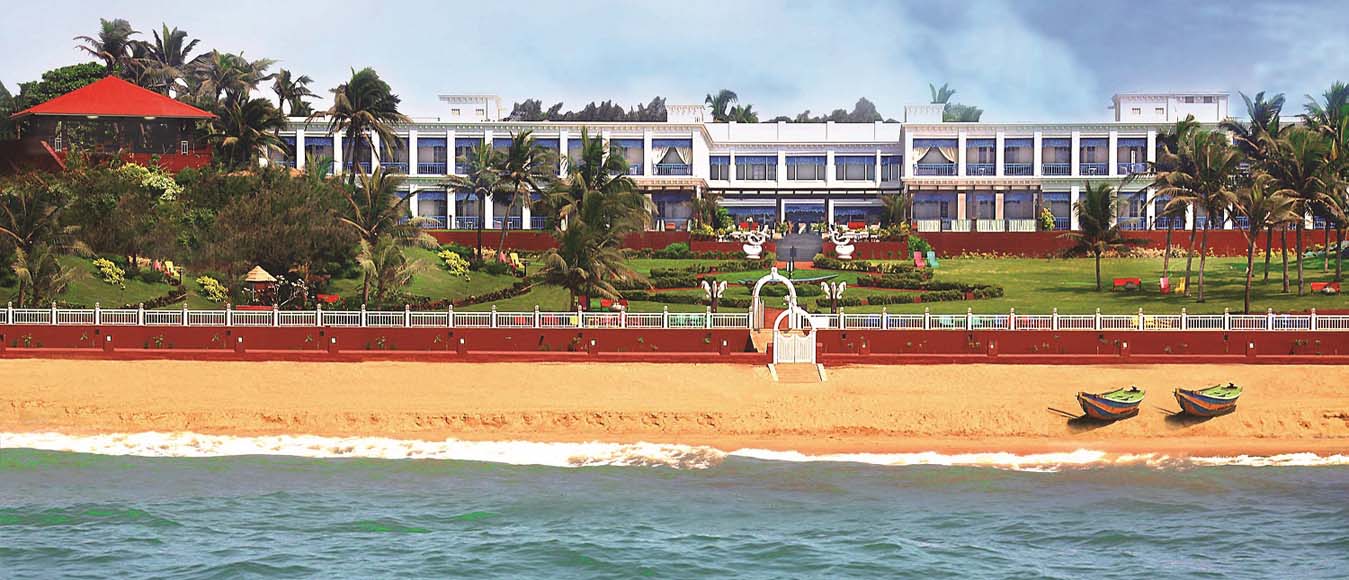
Related image
Gopalpur-On-Sea was originally a small fishing hamlet on the southern coast of Odisha. Named after the ‘Krishna Gopal’ temple built in the 18th Century, the village’s antiquity stretches back to a much earlier age when Odisha had a rich maritime tradition. The early Kalingans had sailed to Java, Bali and Sumatra carrying the seeds of Indian civilization with them. It was a flourishing port on the eastern coast for years. The East India Company had built huge warehouses and godowns for trade with Burma. Even passenger ships sailed from the place, taking indentured labourers for the rubber plantations and railways in Burma and South East Asia.
Ultimate beauty of Gopalpur-On-Sea (Brahmapur)
In 1911, when the British shifted their capital to New Delhi, Kolkata developed a number of satellite getaway resorts like Kurseong, Kalimpong and Diamond Harbor. Gopalpur was known for its magnificent beach and was discovered as a perfect winter resort. Many Bristishers, Armenians and a few wealthy Bengalis made it their holiday home. Many Christian missions set up training schools and seminaries, a few of which still exist. Soon hotels and guesthouses lined the seafront. There were gas lights, wooden dance floors, and dancing and parties that continued till the early hours.
Gopalpur-On-Sea Odisha’s Hidden Time Capsule

The road rounds a curve and stretching infinitely are the blue waters of the Bay of Bengal. The British put the suffix ‘on sea’, similar to the names of little English fishing villages like Middleton-on-sea, Frankton-on-sea and so many others

The road to Gopalpur from the railhead at Berhampur meanders through coconut plantations and casuarina groves, before sharply dipping downwards through the narrow marketplace. The road rounds a curve and stretching infinitely are the blue waters of the Bay of Bengal. The British put the suffix ‘on sea’, similar to the names of little English fishing villages like Middleton-on-sea, Frankton-on-sea and so many others. The pristine beach, the picturesque fisher folk, swaying palms and the salubrious climate made it the favourite rest and recreation place for those who could afford it.
In 1914, Signor Maglioni, an Italian businessman was charmed by the palm fringed beach of the languorous place, where the silence was broken only by the breakers and the occasional coconut thudding on the ground. He established the ‘Palm Beach Hotel’ in 1914, building it in the Mediterranean architectural style. It was the first hotel of the State and probably the first beach resort of the country.
22-08-2015
Between the two World Wars (1914-1918 and 1939-1945) Gopalpur was overrun by the men in Khakis and became the eastern sectors base for ferrying out troops and supplies to Rangoon. In 1945, after the end of the World War II, India inched towards being an independent nation. By the 1947, most of the British had left Indian shores and the commercial activity of Gopalpur had dwindled to a trickle. The once vibrant emblazoned ball rooms gaped at open skies. The busy wharfs crashed down and the warehouses became seedy gateways for derelicts. After the British left India, even the rich Bengalis preferred to holiday in other places and Gopalpur began to revert to what it originally was – a small fishing village.
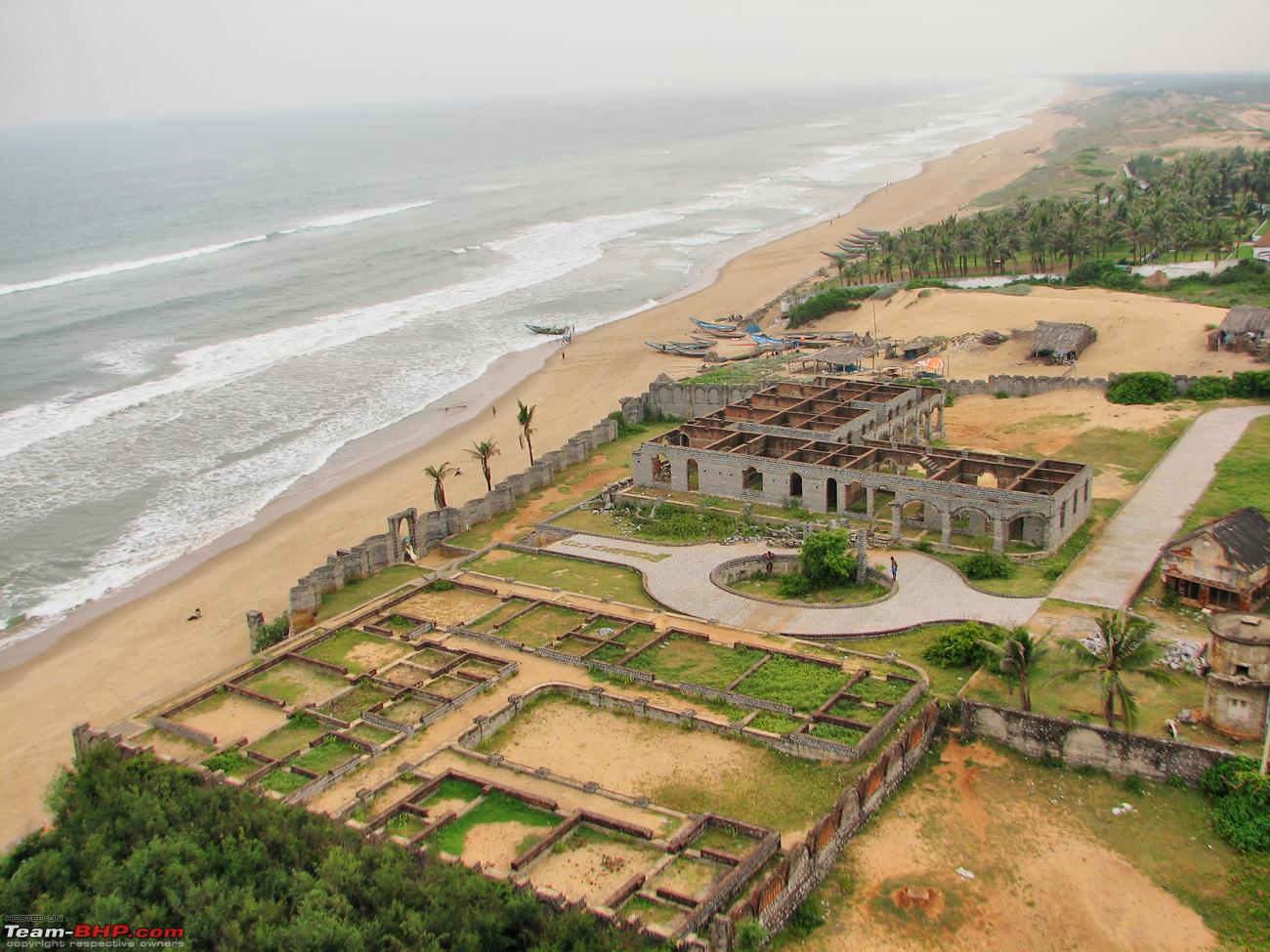
Gopalpur-On-Sea (Brahmapur)
Many of the smaller bungalows along the seafront were taken over and developed by retired Anglo-Indians from Kolkata. These guest houses had names like White Hart, Smith’s Place, Homestead, Ocean View, Christopher Lodge, Colbon House and Sea View, The Anchorage and Wroxham House and Blue Haven. They were run on the lines of British Bed and Breakfast cottages. Their location was fantastic, overlooking the blue Bay. Beautifully maintained, they were a stark contrast to the crumbling ruins that lay alongside.
Rai Bahadur M.S Oberoi took over the Palm Beach Hotel in 1946. On a chance visit to Gopalpur, his keen eyes did not miss the state of disrepair that the hotel had fallen to. His instinct smelled a bargain and Maglioni was only too happy to sell it for a paltry three lac rupees, thereby enabling the Oberoi legend to root itself as the ‘Oberoi Palm Beach’. After its door opened, the who’s who of the country, from Prime Ministers, to celebrities and royalty left their impressions behind along with their footprints on the sands of time.
On a recent trip to the place, I once again went and met Mrs. Rosalind Dutt, the innkeeper of the Mermaid Motel. I had stayed at the place years ago, and remembered how she made me walk her dogs in return for a free meal. She is the last of the old lot who has stuck to the place. Mrs. Dutt is of Armenian ascent, she had moved to Gopalpur in 1983, after taking over the old property of the Brahma Kumari’s on the seafront. She renovated the core structure from scratch, lovingly touching up the details, reinventing the old magic, preserving the memories. After the death of her husband, she ran the place for years. Her ill health forced her to convert into a girl’s hostel for a couple of years. She had a bypass surgery after which she came back and restarted the inn. She stays in a quaint cottage aptly named Dutt Cottage adjoining the Motel. The place is kept spic and span by her staff comprising of locals. They serve traditionally cooked food from the kitchen.
For me it was a trip down memory lane. I had spent a week at Gopalpur in 1985 and stayed at the place. We comprised of a group of ghost hunters and spent many nights in the ruined buildings which were believed to be haunted. After a week of ghost busting, we gave up and had returned disappointed. Mrs. Dutt had sternly warned against disturbing the ghosts and threatened to throw us out of her place.
22-08-2015
I met the sweet old lady and spent a couple of hours with her. I borrowed a bike and went around the small place, visiting the dilapidated old buildings. I visited two dozen of these old bungalows; all of them were in a state of near collapse. With plaster peeling off and tiles missing from the roofs, thick vegetation growing from the walls and roofs, they wore a forlorn air of neglect. Carved doors and windows hung loosely from their hinges. Some of the old grandeur was still evident, the roof beams and carven pillars had survived the years. Some of them still had the floor tiles in place.
Ocean View, the red bungalow that Geoffrey Moorehouse had written about in his book “Calcutta” is in a slightly better state, but abandoned. The road outside Mrs. Dutt cottage, like all the streets in Gopalpur-on-Sea, is adrift with sand which has blown up from the beach fifty yards away, leaving only a small channel of cracked tarmacadam for pedestrians in between its shallow banks.
There is certainly something else in the place. The easy familiarity, the otherworldly nature of a land that has escaped the world as it changes around it and the simple lives of the local fishing community is charming. Today, this small fishing village is again attracting attention and trying to become a popular holiday resort.

Courtesy -udayindia.in/August 14, 2015

George Fernandes was in Berhampur city as Indira Gandhi declared Emergency on the night of June 25, 1975


Former Defence Minister George Fernandes, who passed away recently, was in Berhampur City (Ganjam) when former Prime Minister Indira Gandhi proclaimed Emergency in the country on the night of June 25, 1975.
On that day, Fernandes, a fiery socialist leader, was attending a meeting of intellectuals at Prakasham Theatre in Berhampur in the evening. While addressing the gathering, he apprehended that Indira Gandhi would either resign or might undemocratically declare Emergency in the country to retain power in her hands.

The police and the administration on being alerted beforehand had readied themselves to crack down on the dissidents.
Fernandes fled the scene when the meeting was on in Prakasham Theatre in the City. Former Kabisuryanagar MLA-cum-Janata Party leader late Tarini Charan Patnaik and environmentalist-cum-tribal rights activist Prafulla Samantara and others had helped the socialist leader escape from the scene.
He had arrived in Berhampur on June 24, 1975 and was staying at his father-in-law Humayun Kabir’s house on Gopalpur-On-Sea beach near Berhampur City, Odisha. Humayun Kabir was the Education Minister in former Prime Minister Pandit Jawaharlal Nehru’s cabinet.
George Fernande's June 25th schedule in Berhampur was packed. He attended a meeting of the Berhampur University Employees Association, a meeting with socialist leaders and workers and a gathering of intellectuals in the evening.
He was scheduled to attend a meeting of the Railways Workers Association on June 26 in Berhampur City but before that he fled the Silk City secretly.
Fernandes was the National President of the All India University Employees Association and the Railways Workers' Federation at that time.
A warrant was issued in Fernandes' name and subsequently he went underground to escape arrest and prosecution. When the police failed to capture him, they arrested and tortured his brother, Lawrence Fernandes, to reveal his brother's whereabouts. 
On 10 June 1976, he was finally arrested in Calcutta on charges of smuggling dynamite to blow up government establishments in protest against the imposition of emergency, in what came to be known as the Baroda dynamite case. After his arrest, Amnesty International members cabled the Government requesting that he be given immediate access to a lawyer and that his physical protection be guaranteed. 
Three world leaders from Germany, Norway and Austria were believed to have cabled Indira Gandhi and cautioned her against harming Fernandes. From Baroda, the accused were shifted to Tihar Jail but the accused were never chargesheeted.

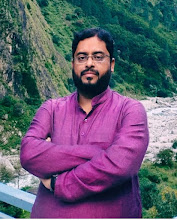
Brahmapur born globally recognized scientist & IIT Kharagpur alumnus Dr.Prakash Patnaik gets prestigious 'NATO AWARD' for contributions to science


#FUTUREBRAHMAPUR CONGRATULATES DR.PRAKASH PATNAIK FOR THIS AWARD & FOR HIS GREAT CONTRIBUTIONS TO AEROSPACE SCIENCE


How did Prakash Patnaik contribute to science?

Dr. Prakash Patnaik hails from Berhampur, Odisha. At present, Dr Patnaik is leading the Defence Technology and Sustainment Program at the National Research Council Canada (NRCC) as Principal Research Scientist at NRC’s Aerospace Research Centre in Ottawa, Canada.
Image may contain: 1 person, smiling, text

He joined NRC in 2002 as Chief of Aerospace Materials and in 2006 became Director of R&D at NRC. He is among the very few Indians to hold such a coveted post in the domain of science and technology in Canada.
Dr Patnaik has made significant contributions in the domain of Aerospace Materials and Protective Coating Technologies including more than 140 research papers in international journals and conferences.
Chairman of the Applied Vehicle Technology Panel of the NATO-STO, as well as the Director of the NATO-STO’s Collaboration Support Office in Paris, cited the expertise of Dr Patnaik in the field of high-temperature metal alloys and coatings used in gas turbine engines which has strengthened the core of Applied Vehicle Technology business of NATO-STO.